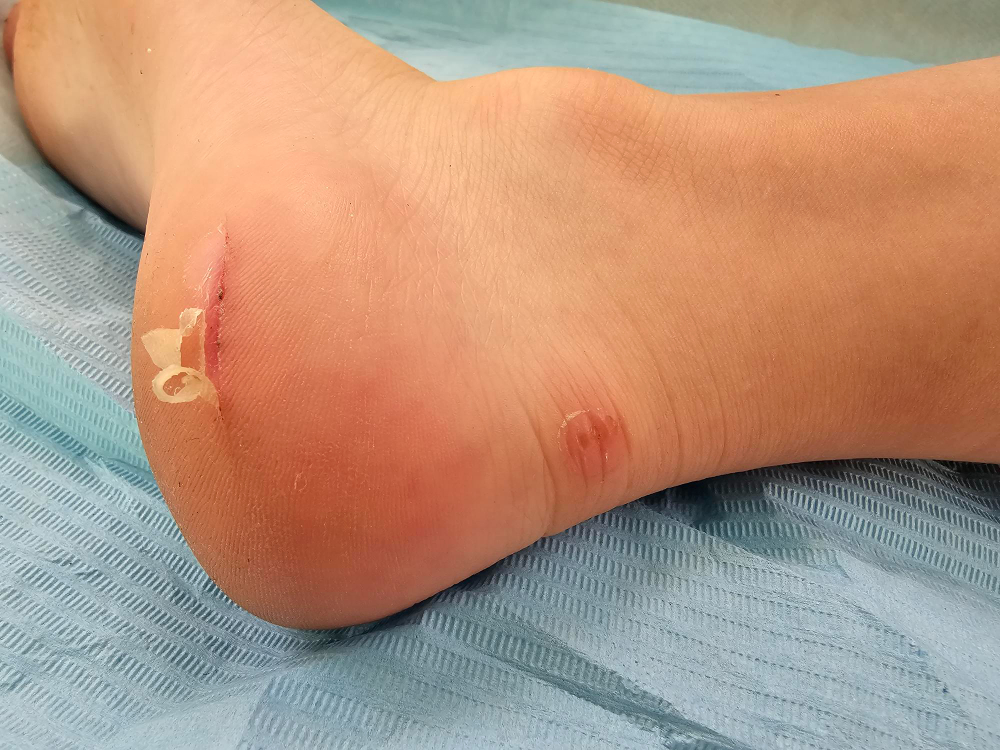
Diabetic wound healing is a serious concern for people with diabetes. When wounds heal slowly, the risk of complications rises. Acting quickly is important because delayed care can lead to infection or even amputation. In this blog, you will learn why diabetic wound healing is slow, the dangers of delay, and how to care for wounds safely.
Why Diabetic Wounds Heal Slowly
People with diabetes often notice that cuts or sores take longer to heal. This happens because diabetes affects the body in several ways. Understanding these reasons can help you take better care of your skin.
Poor Circulation: High blood sugar can damage blood vessels. As a result, less blood reaches the wound, slowing healing.
Nerve Damage (Neuropathy): Diabetes can cause numbness in the feet or hands. Because of this, you may not notice injuries right away.
Weakened Immune Response: Diabetes can make it harder for your body to fight germs. Therefore, wounds are more likely to get infected.
Thickened Skin: Over time, skin may become dry or thick, making wounds harder to heal.
Dangers of Delayed Wound Healing in Diabetes
Delaying care for diabetic wounds can be very risky. Even small cuts can turn into big problems if not treated quickly. Here are some dangers to watch for:
Infection: Wounds that do not heal can become infected. According to the CDC, infections are a leading cause of hospital stays for people with diabetes.
Gangrene: If blood flow is blocked, tissue can die. This is called gangrene and may require urgent treatment.
Amputation: In severe cases, untreated wounds can lead to loss of toes, feet, or even legs. Studies show that diabetes causes over 80,000 amputations each year in the U.S. alone (CDC).
Prolonged Recovery: Healing takes much longer, which can affect your daily life and well-being.
For example, a small blister on the foot can become a deep ulcer if ignored. This may lead to weeks or months of treatment.
Recognizing Warning Signs
It is important to spot signs that a wound is not healing well. Early action can prevent serious problems. Watch for these warning signs:
Redness or swelling around the wound
Warmth or pain at the site
Pus or foul-smelling fluid
Black or blue skin near the wound
Fever or chills
Wound not healing after two weeks
If you notice any of these, seek medical help right away.
Steps for Prompt Wound Care
Taking quick action can make a big difference. Here are steps to care for diabetic wounds:
Wash your hands before touching the wound.
Clean the wound gently with mild soap and water.
Apply an antibiotic ointment if advised by your doctor.
Cover the wound with a clean, dry bandage.
Change the bandage daily or if it gets wet or dirty.
Check your feet and skin every day for cuts or blisters.
Wear comfortable shoes to prevent new wounds.
Keep your blood sugar levels in the target range.
If the wound does not improve in a few days, or if you see signs of infection, contact your doctor.
Prevention Strategies
Preventing wounds is the best way to avoid complications. Here are some practical tips:
Inspect your feet and skin daily for any changes.
Moisturize your skin to prevent dryness and cracks.
Trim your nails carefully to avoid cuts.
Wear socks and shoes that fit well.
Never walk barefoot, even at home.
Manage your blood sugar with healthy eating and regular exercise.
See your doctor for regular check-ups.
When to Consult a Specialist
Sometimes, wounds need expert care. You should see a diabetologist or wound care specialist if:
The wound is deep or large.
There are signs of infection.
The wound does not heal after two weeks.
You have fever, chills, or feel unwell.
You have poor blood flow or severe nerve damage.
Early specialist care can prevent serious problems and speed up healing.
Conclusion & Call-to-Action
In summary, diabetic wound healing is slow because of poor circulation, nerve damage, and a weak immune system. Delaying care can lead to infection, gangrene, or even amputation. Always watch for warning signs and act quickly. For the best results, follow wound care steps and prevention tips. Consult a diabetologist Dr Biswarup Deb for personalized guidance and safe healing.