
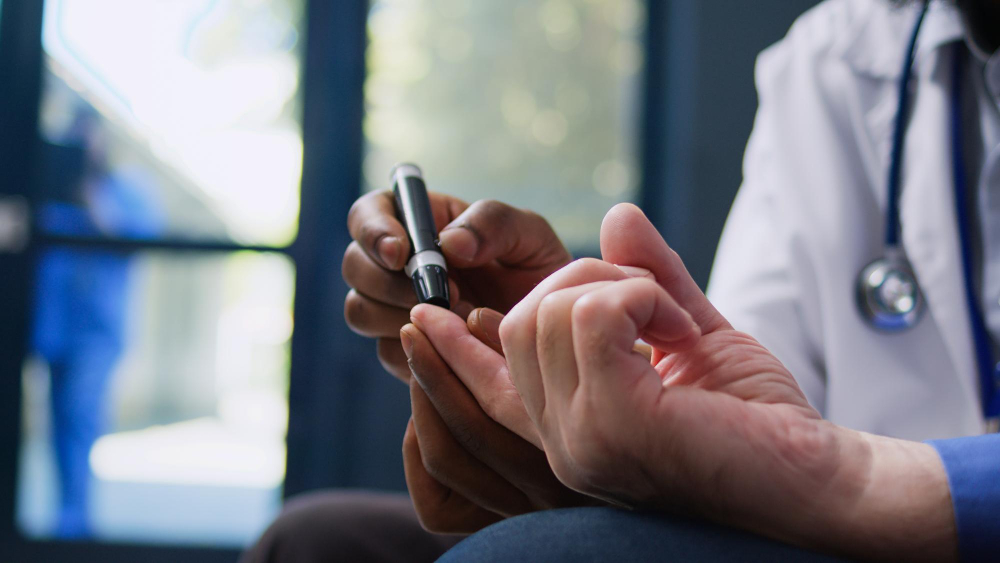
Why Regular Diabetes Check-Ups Matter
Living with diabetes means you need to watch your health closely. A diabetes check-up checklist helps you stay on track. Regular check-ups can catch problems early. This means you can take action before things get worse. For example, diabetes can affect your heart, kidneys, eyes, and feet. Each area needs special care. According to the CDC, routine exams lower the risk of serious diabetes complications. Therefore, following a checklist helps you feel confident about your health.
Heart Health: What to Monitor and Why It’s Important
Diabetes raises your risk for heart disease. Because of this, heart health should be part of every diabetes check-up checklist. High blood sugar can damage blood vessels over time. This makes heart attacks and strokes more likely. You may not notice symptoms at first. However, some people feel chest pain, shortness of breath, or tiredness. If you have these signs, tell your doctor right away.
To lower your risk, eat healthy foods, stay active, and take your medicine as directed. In addition, avoid smoking and manage stress. These steps are key for diabetes complications prevention.
Kidney Health: Essential Tests and Warning Signs
Next, your kidneys need regular checks. Diabetes can damage the small filters in your kidneys. Over time, this can lead to kidney failure. Many people do not notice kidney problems until they are serious. Still, there are signs to watch for, such as swelling in your feet or hands, tiredness, or changes in urination. If you notice these, talk to your doctor.
To protect your kidneys, control your blood sugar and blood pressure. Also, drink enough water and avoid overusing pain medicines. Early testing helps prevent kidney complications.
Eye Health: Diabetes and Vision Protection
Diabetes can harm your eyes, sometimes leading to vision loss. Because of this, protecting your vision with diabetes is very important. High blood sugar can damage the tiny blood vessels in your eyes. This can cause diabetic retinopathy, cataracts, or glaucoma. Often, you may not notice changes until your vision gets worse. However, blurry vision, floaters, or sudden vision loss are warning signs.
Keep your blood sugar and blood pressure in a healthy range. In addition, wear sunglasses to protect your eyes from the sun. Early eye checks can help save your sight.
Foot Health: Preventing Complications and Self-Care Tips
Finally, foot care is a must for people with diabetes. High blood sugar can damage nerves and blood flow in your feet. This makes it harder to feel pain or notice injuries. Because of this, small cuts or blisters can turn into serious infections. Knowing how to check for diabetic foot problems is vital.
To prevent problems, wash your feet daily and dry them well. Trim your nails carefully and wear shoes that fit well. If you notice any sores or changes, call your doctor right away. Good foot care helps you avoid serious complications.