
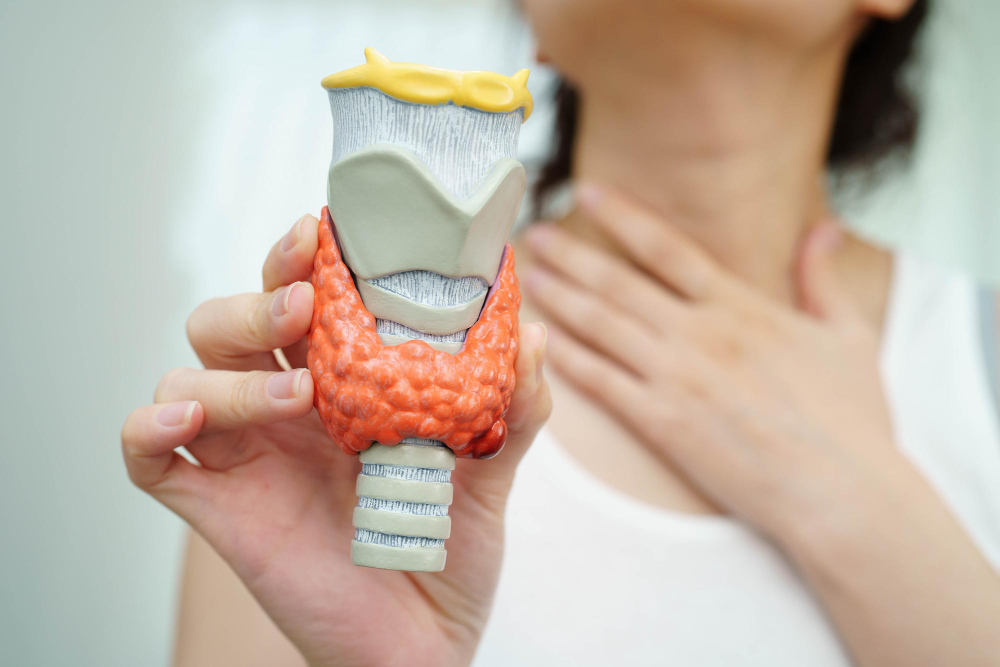
What is Hashimoto’s Thyroiditis?
Hashimoto’s Thyroiditis is an autoimmune thyroid disease. In this condition, your immune system attacks your thyroid gland. As a result, the thyroid cannot make enough hormones for your body. Because of this, you may develop hypothyroidism, which means your thyroid is underactive. Hashimoto’s Thyroiditis is one of the most common causes of thyroid problems worldwide. It affects people of all ages, but it is more common in women. Early detection can help you manage symptoms and protect your thyroid health.
Common Symptoms
Symptoms of Hashimoto’s Thyroiditis often develop slowly. Sometimes, you may not notice them at first. However, as the disease progresses, you may experience:
Because these symptoms can be mild, it is easy to overlook them. But, if you notice several of these signs, you should talk to your doctor.
Causes and Risk Factors
Although the exact cause of Hashimoto’s Thyroiditis is not fully known, experts believe it is due to a mix of factors. For example, your genes may play a role. In addition, certain triggers can increase your risk, such as:
Because these risk factors can add up, it is important to know your family history and discuss it with your doctor.
How Hashimoto’s Affects the Thyroid
Hashimoto’s Thyroiditis causes your immune system to attack the thyroid gland. Over time, this attack damages the thyroid tissue. As a result, the gland cannot make enough thyroid hormones. These hormones control your body’s energy, temperature, and metabolism. When hormone levels drop, your body slows down. This leads to symptoms like tiredness, weight gain, and feeling cold. In some cases, the thyroid may swell, causing a lump in your neck called a goiter.
Diagnosis and Tests
If your doctor suspects Hashimoto’s Thyroiditis, they will order tests to check your thyroid health. Usually, these include:
Because symptoms can be similar to other conditions, these tests help confirm the diagnosis. Early testing can lead to better treatment outcomes.
Treatment Options
Treatment for Hashimoto’s Thyroiditis focuses on replacing missing thyroid hormones. Most people take a daily pill called levothyroxine. This medicine helps restore normal hormone levels. As a result, symptoms often improve within a few weeks. Your doctor will check your blood regularly to make sure you are getting the right dose. In rare cases, surgery may be needed if the thyroid is very large or causing problems. However, most people manage well with medicine alone.
Lifestyle Tips for Managing Hashimoto’s
Along with medicine, healthy habits can support your thyroid health. For example:
Because lifestyle changes can make a big difference, try to build healthy routines over time.
Prevention and Early Detection
Currently, there is no sure way to prevent Hashimoto’s Thyroiditis. However, knowing your risk factors can help. For example, if you have a family history of thyroid disease, ask your doctor about regular screening. Early detection allows for prompt treatment, which can prevent complications. In addition, staying informed about symptoms can help you spot changes early.
When to See a Doctor
If you notice symptoms of Hashimoto’s Thyroiditis, such as tiredness, weight gain, or neck swelling, see your doctor. Also, if you have a family history of thyroid or autoimmune diseases, regular check-ups are important. Because early treatment can prevent serious problems, do not wait to seek help. Your doctor can guide you on the best steps for your thyroid health.
For personalized advice on Hashimoto’s Thyroiditis, consult Dr. Biswarup Deb.